SHARE’s Impact: Transforming Health Education for 425,000 Young People Through Play
For too many adolescents across Ghana, Uganda, and Mozambique, growing up meant growing up without answers — about their bodies, their rights, or their futures.
Over five years (2021–2026), the Sexual Health and Reproductive Education (SHARE) project reached more than 425,000 young people across Ghana, Uganda, and Mozambique, transforming how adolescents learn about their bodies, rights, and futures through play, dialogue, and youth‑responsive systems.
Why SHARE Matters: Young People Deserved Better
Across Ghana, Uganda, and Mozambique, millions of adolescents grow up without reliable, age‑appropriate information about sexual and reproductive health (SRH). Taboos, gender inequality, and limited youth‑friendly services leave young people, especially girls, at risk of early pregnancy, school dropout, poor health outcomes, and lost potential.
Before SHARE, baseline findings across Ghana, Uganda, and Mozambique showed that adolescents often lacked basic or sufficient knowledge about their bodies, contraception, and available services. Even when services existed, they were not always easy to access—young people faced stigma, judgement, distance, cost barriers, and concerns about privacy. In many communities, open conversations about these topics were discouraged.
“We didn’t know before SHARE, but now we can choose when to have children.”
These challenges were especially significant for girls, increasing their risk of early pregnancy, school dropouts, sexual and gender‑based violence, and limited ability to make decisions about their own health and futures. These barriers were shaped not only by a lack of information, but also by the environments around them—at home, in schools, in communities, and within health systems.
Behind these gaps are deeper realities: unreliable information, healthcare that doesn't serve young people, and a silence rooted in stigma. In many communities, the belief that talking about sexual health encourages early activity goes largely unchallenged — leaving girls and boys without the opportunity to make informed choices about their bodies, relationships and futures.
These challenges are rooted not just in access, but in systems, norms, and silence. SHARE was designed to change that.
The SHARE project, funded by the Government of Canada through Global Affairs Canada, was implemented through a consortium led by Right To Play in partnership with FAWE, WaterAid, and local partners, with technical support from FHI 360. SHARE worked to advance gender equality by improving access to sexual and reproductive health education and gender-responsive care for adolescents and youth aged 10–24.
SHARE's Impact Across Countries
Across three countries, SHARE delivered measurable improvements in knowledge, access, and behaviour. More adolescents can identify and understand contraception options; more young people are seeking SRH services and support; and more girls are participating in advocacy and leading change in their communities.
Explore the impact SHARE made in classrooms, clinics, and communities.

91% of adolescents in our program can now name modern contraception methods.
Youth‑inclusive health facilities increased from 13 to 19
Girls participating in SRH advocacy more than doubled
Correct knowledge of emergency contraception increased from 27% to 60%
Community clubs created safe spaces for dialogue on menstruation and consent
Youth seeking SRH services increased from 30% to 53%
Parents increasingly support youth participation in SRH clubs
“The health clubs and mentorship programs created environments where young people could ask questions, speak openly, support each other and build leadership skills.”
SHARE strengthened sexual and reproductive health and rights for adolescents and young people in Ghana, Mozambique, and Uganda. It transformed relationships between young people, schools, communities, and health systems. Here’s how:
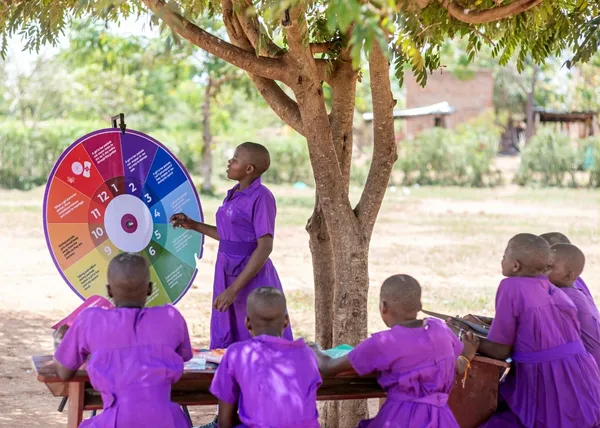
When young people learn through play, something shifts—curiosity replaces shame, and questions get answered instead of silenced. SHARE equipped teachers and mentors to deliver age‑appropriate, engaging education that helped adolescents understand their bodies, rights, relationships, and how to protect themselves from unintended pregnancy and sexually transmitted infections. With greater knowledge and confidence, young people—especially girls—are better able to stay in school and make decisions about their futures.
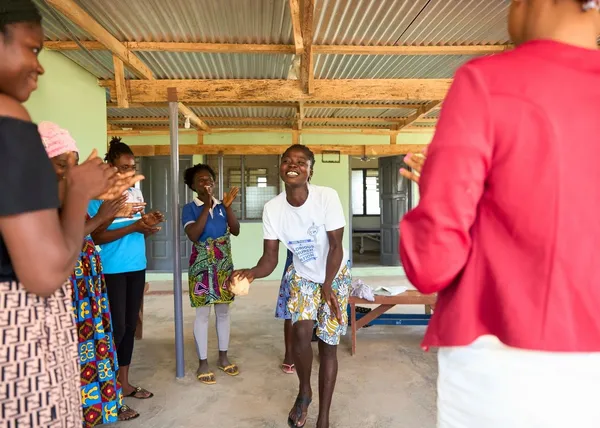
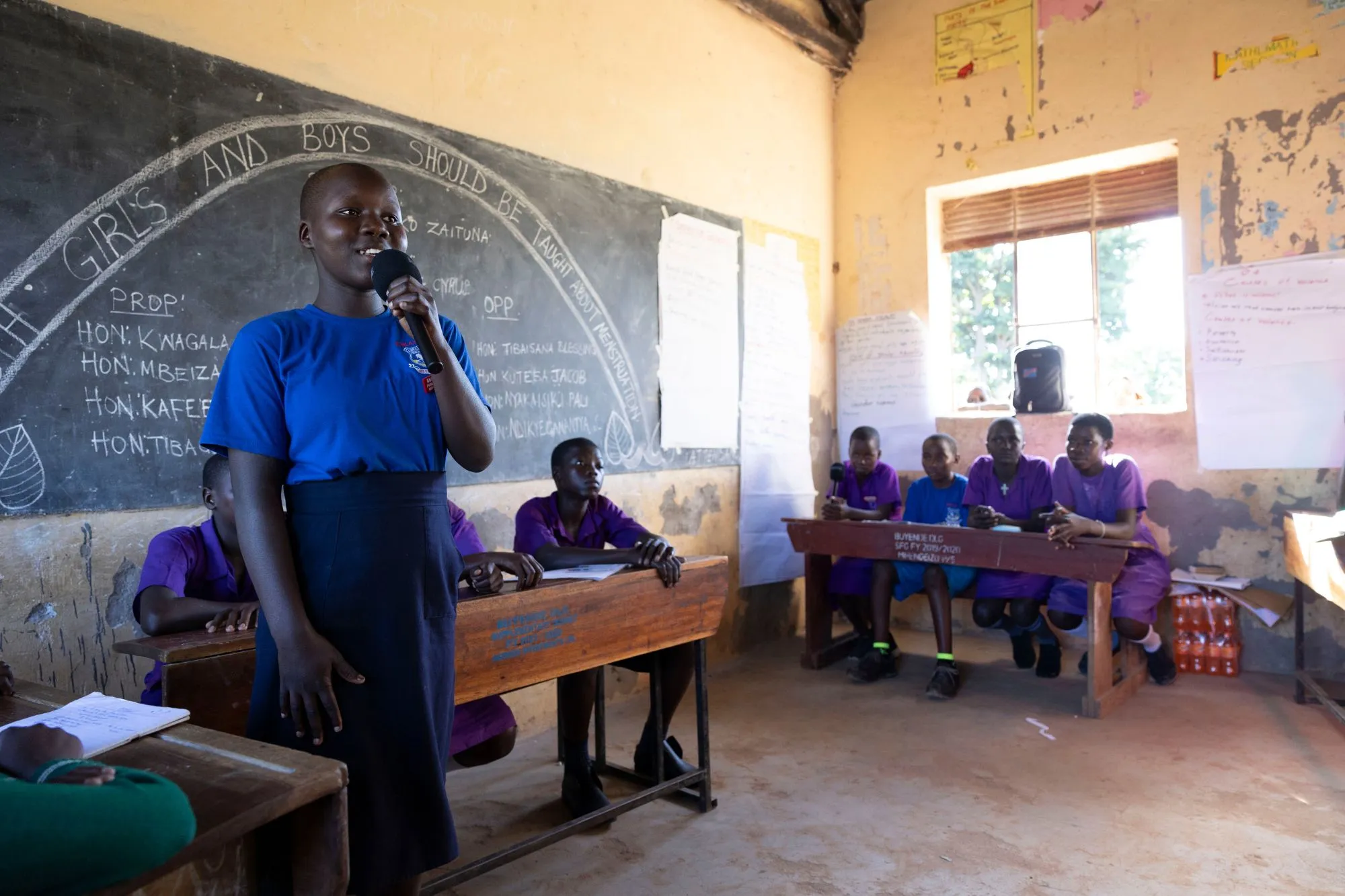
Through clubs, mentorship, and safe spaces, young people, particularly girls, gained the confidence to speak up, support their peers, and advocate for change. In Uganda, that leadership reached all the way to District Health Committees, where young people are now shaping the very services that serve them. SHARE didn't just teach young people — it gave them a platform to influence change.
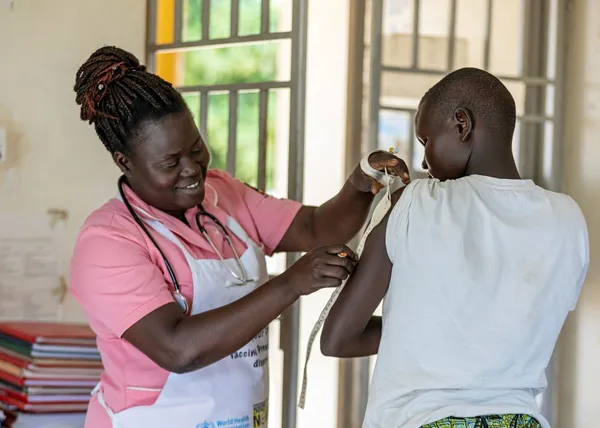
A young person who feels judged won't come back. SHARE trained health workers to provide care that is respectful, gender-responsive, and built around young people's real lives. The result: more adolescents are seeking services, getting referrals, and staying in school because their health is no longer something they have to navigate alone.
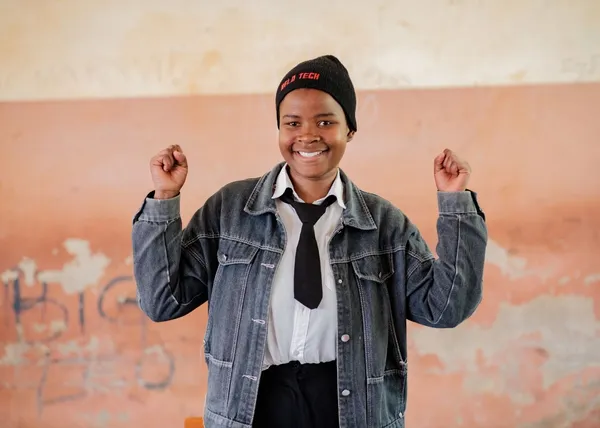
Real change doesn't stop when a project ends — it lives in the communities that carry it forward. SHARE worked with local leaders, educators, health systems and communities, including men and boys, to challenge stigma and promote gender equality—ensuring lasting change beyond the life of the project. Community dialogues have helped normalize discussions around condom use and sexual health rights.
As a result of SHARE interventions, young people:
- Protected their sexual and reproductive health
- Delayed early pregnancy
- Made informed choices about their future
- Advocated for change in their communities
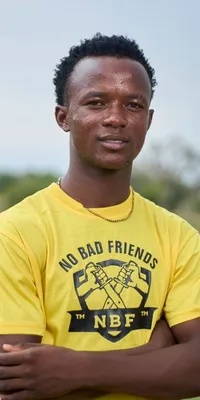
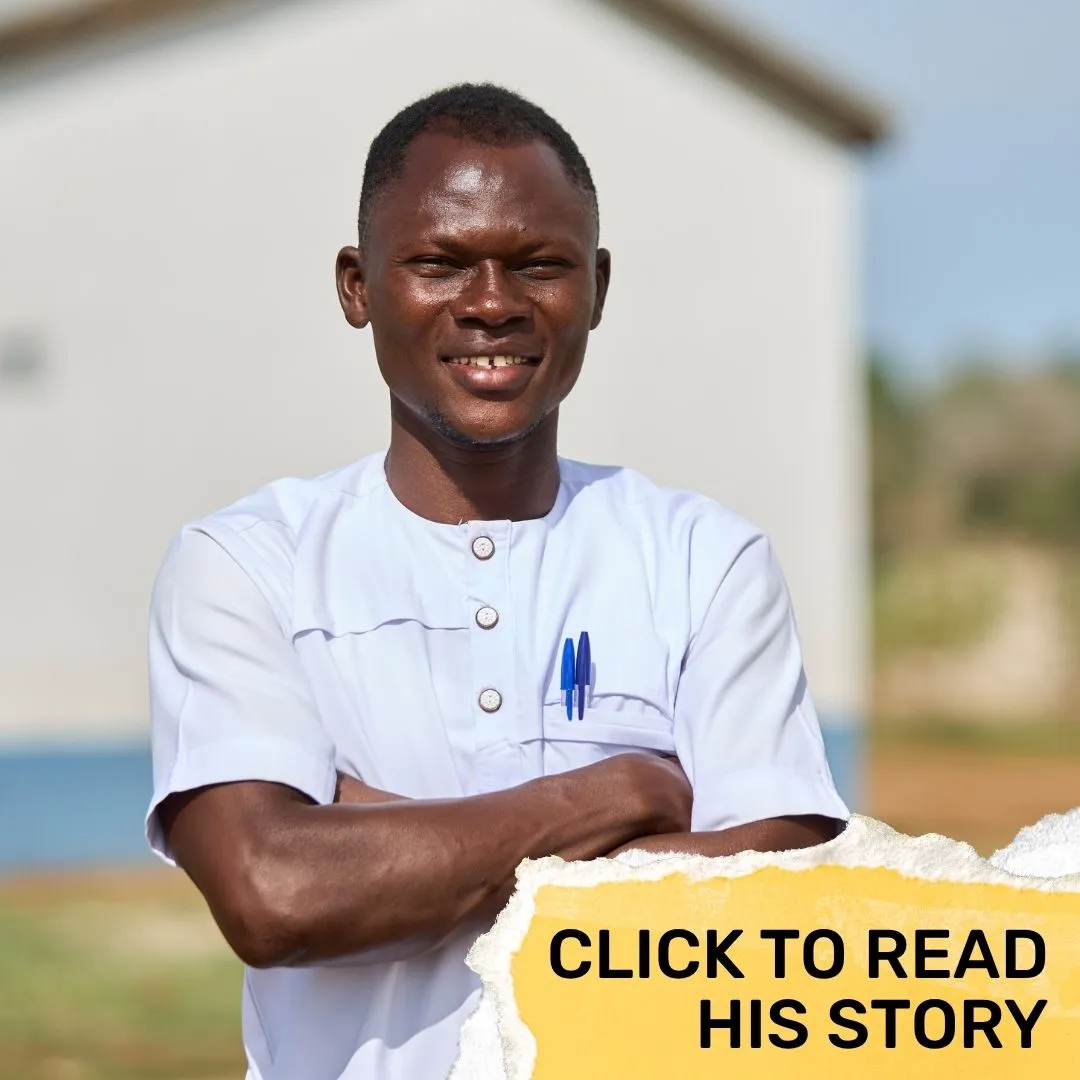
Desmond was one of thousands of boys who participated in SHARE's mentorship programs in Ghana — proof that gender equality in sexual health education means bringing young men into the conversation too. SHARE demonstrated what’s possible when education, health, and play come together to advance gender equality.
The Work Continues
SHARE has ended — but across Ghana, Uganda, and Mozambique, millions of adolescents are still growing up without the information they need to stay healthy, stay in school, and make informed choices about their futures.
The clubs, the trained health workers, the young leaders — they are still there. What they need is the resources to keep going.
Your gift can help train a health worker to serve young people with dignity. It can keep a girls' club running in a school where it's the only safe space to ask questions. It can put accurate, age-appropriate information in the hands of a girl who has never had it before.
The next 425,000 young people are waiting.
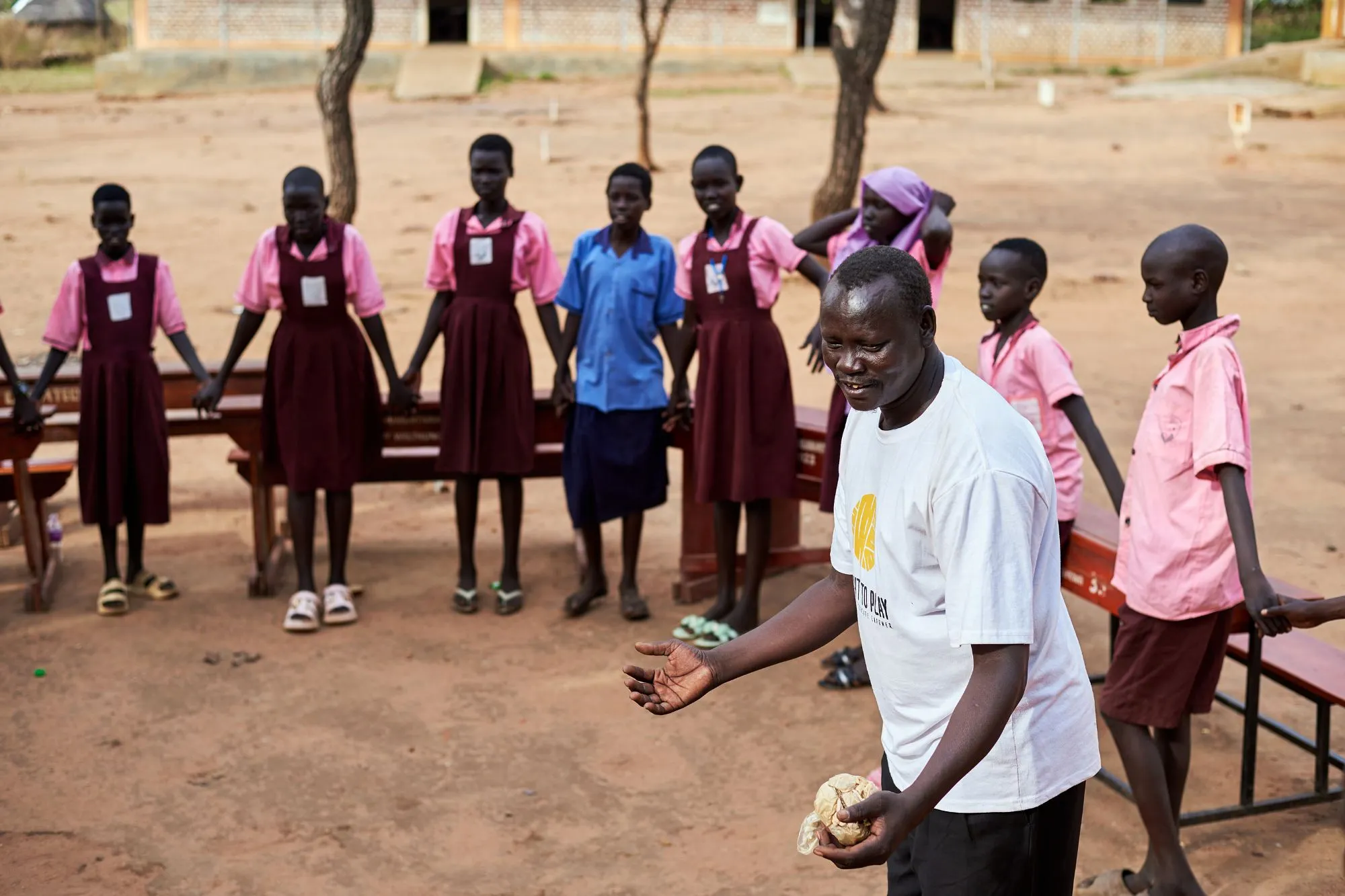
“Children understand so fast when you teach them through play.”
Meet the Youth, Teachers, and Health Workers Behind the Change
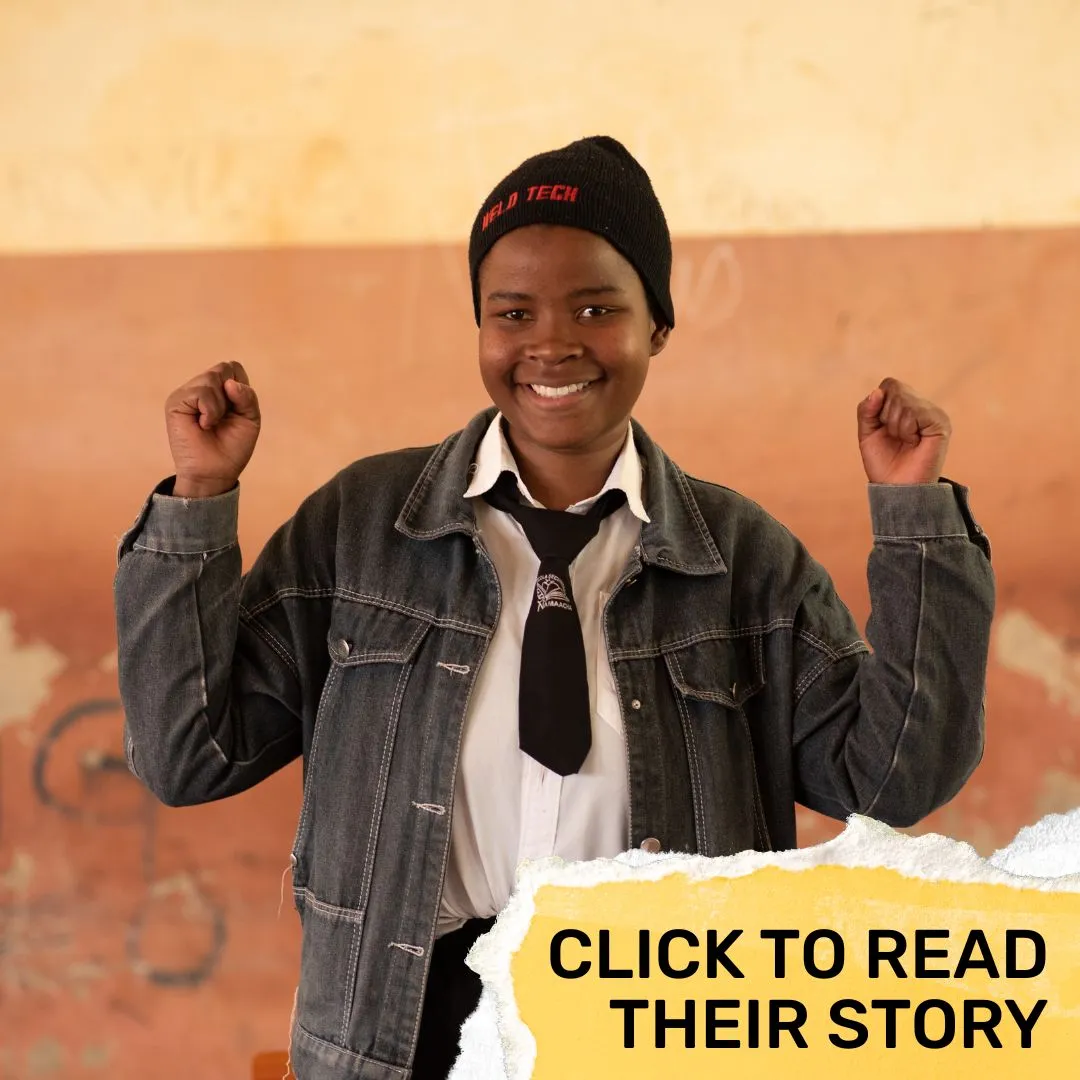
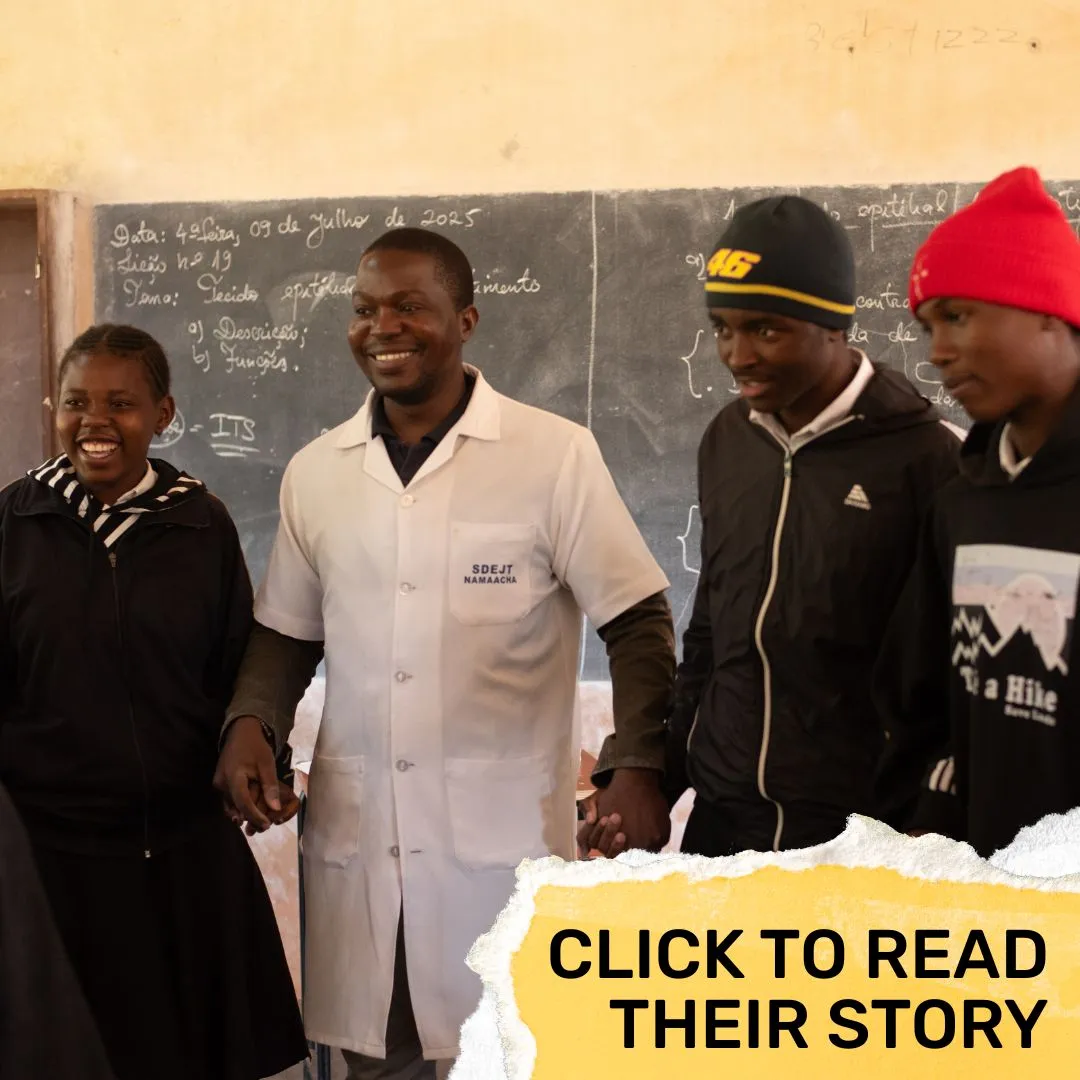
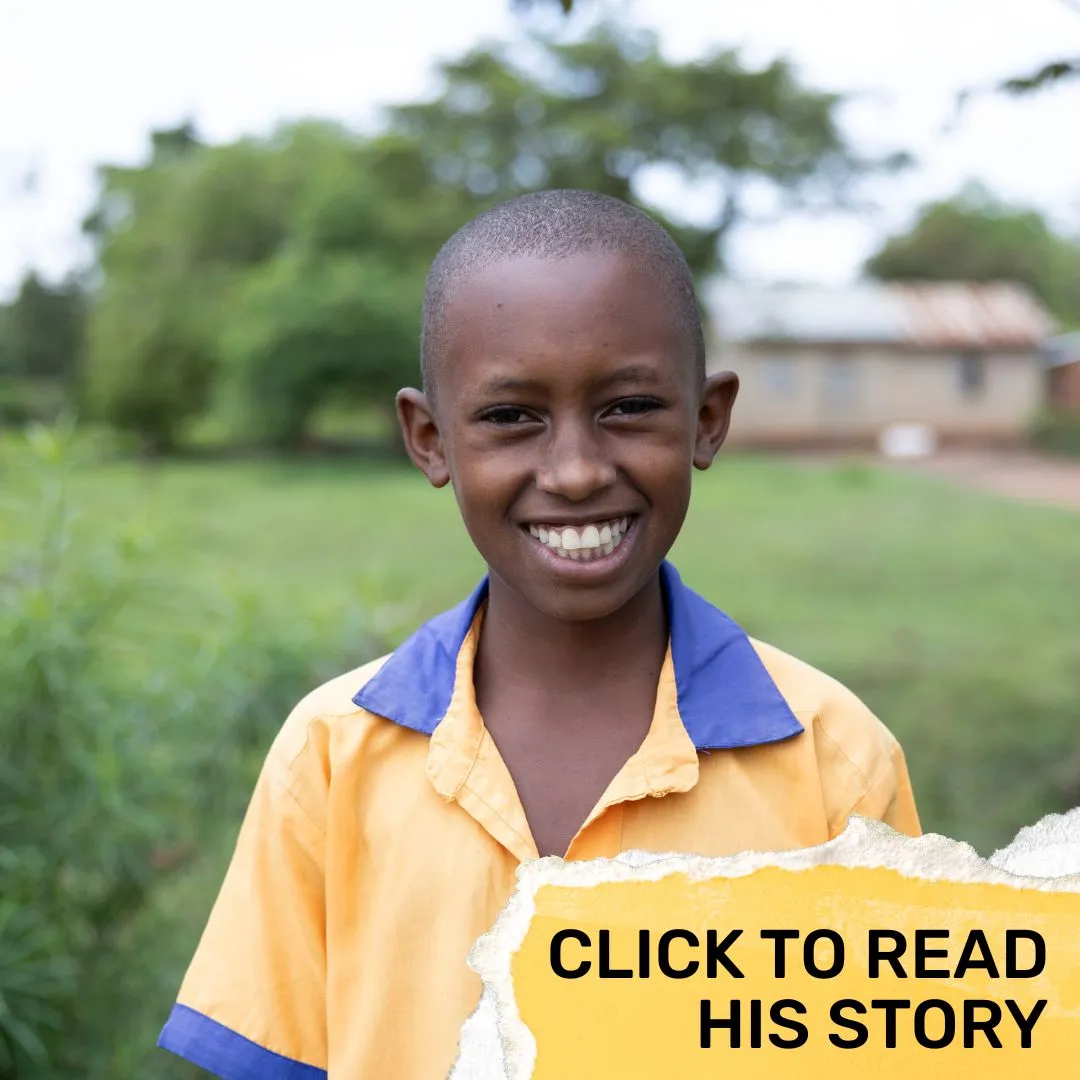
Behind the data are real stories of change. Meet the students, teachers and health workers who are breaking taboos, opening conversations, and transforming classrooms and communities.
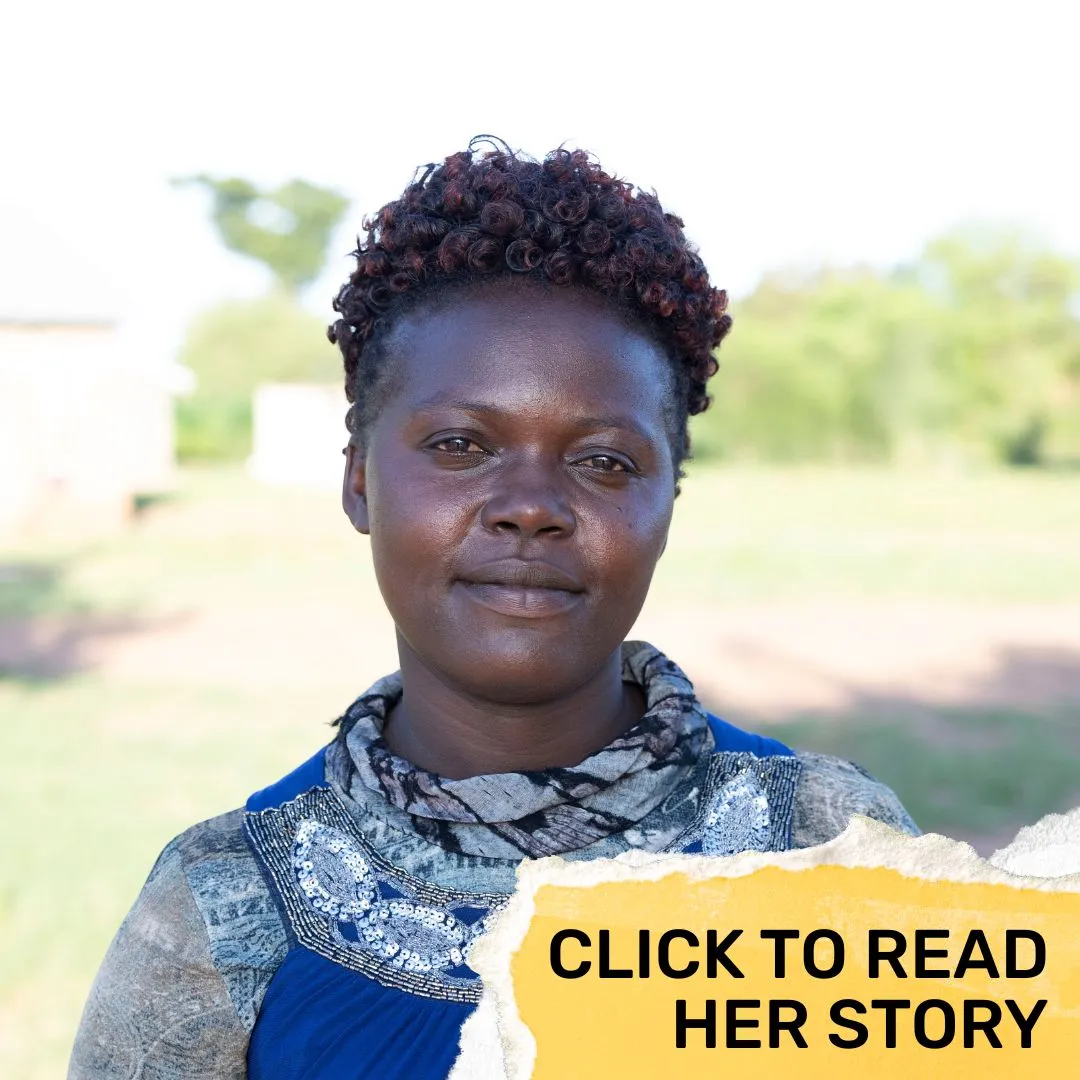
In Uganda, Ruth transformed her classroom, making lessons on health and gender inclusive, fun, and open for all.
The SHARE project is implemented by Right To Play, FAWE, WaterAid, and FHI 360, with financial support from the Government of Canada through Global Affairs Canada. It strengthened sexual and reproductive rights for more than 425,000 young people across Ghana, Uganda, and Mozambique.
