Celebrating the International Day of Play
Play is one of the most transformative forces in a child’s life. It helps children make sense of the world around them, express their hopes and emotions, build relationships, and develop the skills they need as they grow.
Yet millions of children don’t get the chance to play. Global research shows that 78% of children say adults don’t always think play is important, and 73% feel adults don’t take it seriously.
That’s why every year on June 11, people around the world celebrate the International Day of Play. It’s a day to bring people together to recognize the essential role of play and to encourage everyone to make space for play in children’s lives.
What is the International Day of Play?
In March 2024, the United Nations declared the International Day of Play, supported by 140 member states. Right To Play helped lead the global campaign, grounded in the belief that play is a fundamental right and essential to children’s learning and development.
Around the world, children are losing access to safe, joyful moments of play as conflict, disaster, poverty, gender inequality, and social exclusion increasingly shape their daily lives. These pressures disrupt childhood, limit learning, and heighten stress, especially for children who are displaced or facing trauma.
But play is one of the most effective ways children learn, cope with stress, and build skills to meet life’s challenges. As children face mounting learning loss and emotional distress due to conflict, displacement and the climate crisis, it’s more important than ever to push for play to be prioritized by governments and leaders worldwide.
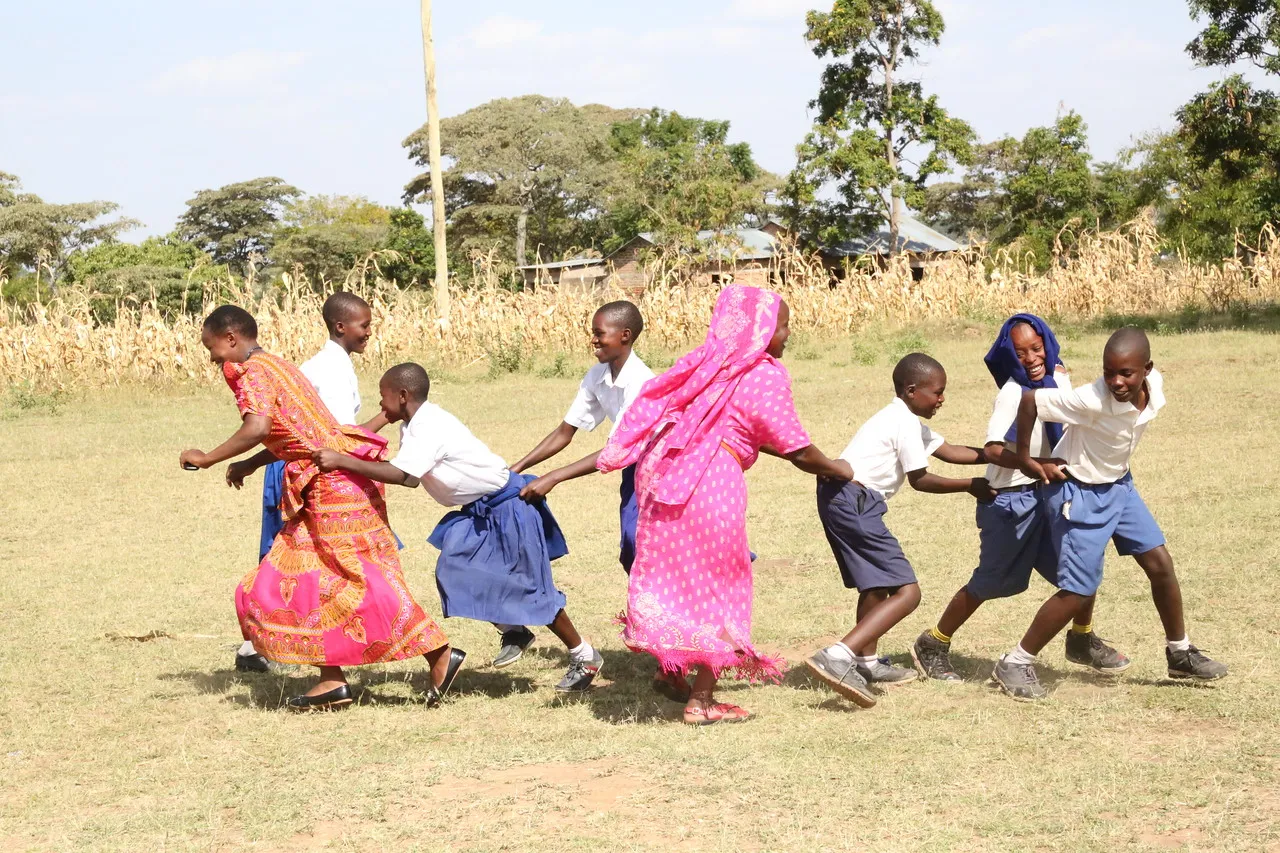
How Does Play Transform Children's Lives?
Play is children's language. It's how they navigate the world, communicate their feelings and discover their strengths. In every stage of childhood, through to adolescence and beyond, play influences how children learn, heal, connect with others, and build skills that help them grow into capable adults.
When we nurture children’s growth with play, we help them build the confidence and strength they need to rise to today’s challenges and create positive change for the world around them.
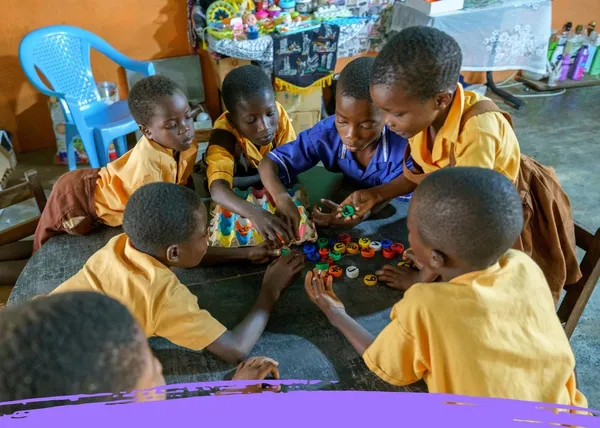
Play makes learning joyful, meaningful, and engaging, helping children stay motivated, retain information, and actively participate in their education. It also builds foundational cognitive and social skills that support children’s long‑term academic success and confidence.
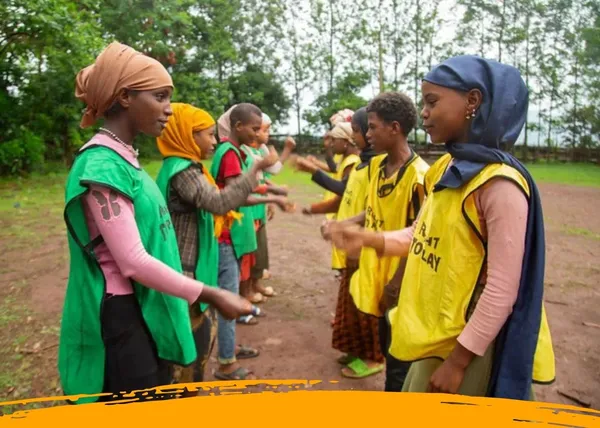
Play offers children a sense of safety and normalcy in the midst of conflict, displacement, and trauma, helping them cope with fear, anxiety, and uncertainty. It restores emotional balance by giving children space to express themselves, build resilience, and reconnect with hope.
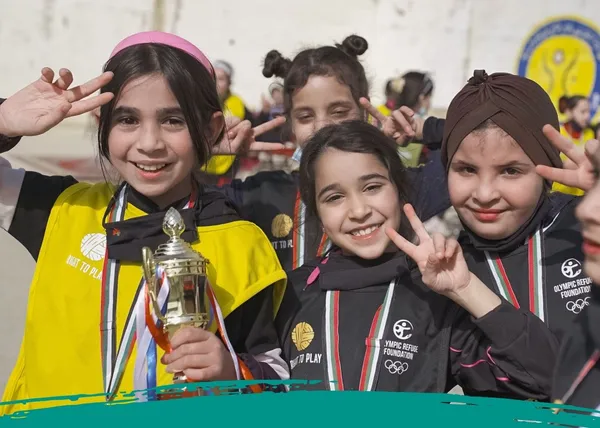
Through play, children develop essential life skills like communication, problem‑solving, emotional regulation, and cooperation—abilities that help them navigate a complex and changing world. These skills empower children to build confidence, strengthen relationships, and realize their full potential.
“When girls play, they discover how strong they really are.”
Participate in International Day of Play 2026
Play changes everything. It's how children learn, heal, and find hope, even in the world's most challenging places.
This June 11, we're inviting you to experience that power for yourself. From a 15-second video to a 10-minute team break, your participation sends a powerful message: that play isn't a luxury, it's a necessity.
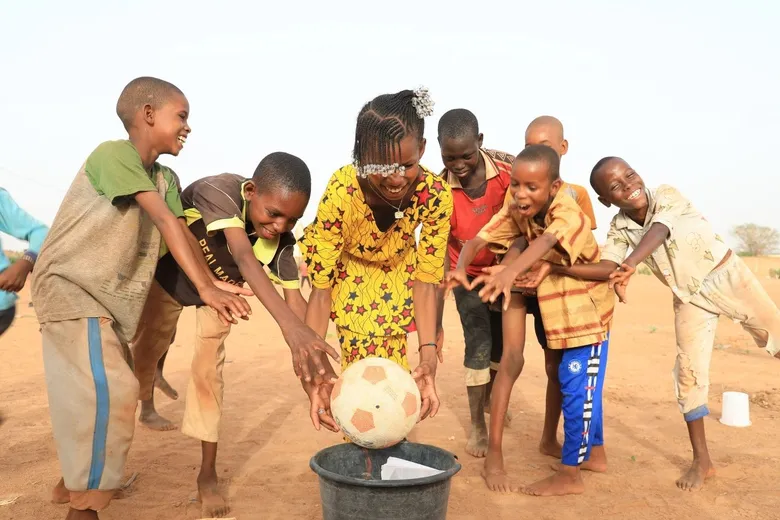
Building a World Where Every Child Can Play
For over 25 years, Right To Play has been a global leader in protecting, educating, and empowering children to rise above adversity through play.
We reach millions of children each year in some of the most difficult places on earth, helping them to stay in school and graduate, resist exploitation, overcome prejudice, heal from trauma, and develop the skills they need to thrive. We do this by harnessing play, one of the most fundamental forces in a child's life, to teach children the critical skills they need to dismantle barriers and embrace opportunities, in learning and in life.
For educators, policymakers, and partners looking to understand how play can strengthen learning at scale, our policy brief Accelerating Foundational Learning Through Play offers a deeper look at the research and practical approaches behind this work. Click the button below to learn more: